intentional dating Archives - The Crush Confidential

Why Clear Communication Is the #1 Trait Singles Want in 2026

If there’s one thing modern singles are prioritizing in 2026, it’s clear communication in dating.

After years of mixed signals, ghosting, breadcrumbing, and emotionally unavailable partners, people are no longer impressed by charm alone. They want clarity. They want consistency. They want to know where they stand.

At The Crush Confidential, we’re seeing a noticeable shift. The most successful matches aren’t built on chemistry alone — they’re built on clear communication in dating from the very beginning.

healthy communication between dating partners

Why Clear Communication in Dating Is Suddenly So Attractive

For years, dating culture rewarded mystery. Playing it cool. Waiting hours to respond. Avoiding “the talk.”

Now, singles are exhausted by ambiguity.

Clear communication in dating signals:

When someone says, “I enjoyed our time and I’d love to see you again,” it removes anxiety. When someone says, “I’m looking for a relationship,” it prevents confusion.

Clarity is no longer “too much.” It’s attractive.

The Real Reason Ambiguity Kills Connection

Unclear communication creates stories in our heads.

When someone doesn’t text back, we assume disinterest.
When plans are vague, we assume low effort.
When intentions aren’t expressed, we assume misalignment.

But often, the issue isn’t lack of interest — it’s lack of clear communication in dating.

In early stages, people don’t yet understand:

  • Each other’s communication styles

  • Emotional triggers

  • Past relationship wounds

  • Expectations around pacing

Without clarity, assumptions take over. And assumptions quietly end promising connections.

What Clear Communication in Dating Actually Looks Like

Clear communication doesn’t mean oversharing or forcing labels too soon.

It means:

1. Expressing Interest Directly

Instead of hinting, you say you’d like to see them again.

2. Being Honest About Intentions

Casual? Relationship? Exploring? Say it kindly — but say it clearly.

3. Following Through

Words and actions align. If you make plans, you keep them.

4. Addressing Concerns Early

If something feels off, you talk about it instead of disappearing.

This kind of clear communication in dating builds emotional safety — and emotional safety builds attraction.

Why High-Quality Singles Now Expect Clarity

Professionals, entrepreneurs, and emotionally self-aware singles don’t have time for guesswork.

They value:

  • Efficiency

  • Emotional intelligence

  • Directness

  • Mutual respect

Clear communication in dating reduces drama and increases momentum.

It also filters out people who aren’t ready for something real.

And that’s a good thing.


How to Practice Clear Communication in Dating (Without Feeling Awkward)

If clarity feels uncomfortable, start small.

  • Replace vague phrases like “we should hang out sometime” with specific plans.

  • Instead of disappearing, send a polite closing message if you’re not interested.

  • Ask intentional questions about values and goals.

  • Communicate pacing — especially if you need to slow things down.

Clarity doesn’t make you needy. It makes you grounded.

And grounded people attract grounded partners.


The Bottom Line: Clarity Is the New Chemistry

Chemistry might spark a connection.

But clear communication in dating sustains it.

In 2026, singles aren’t chasing mystery — they’re choosing peace. They’re choosing transparency. They’re choosing relationships that feel stable, not confusing.

When two people communicate clearly, they don’t waste months trying to decode one another.

They build something real.

And that’s where love actually grows.

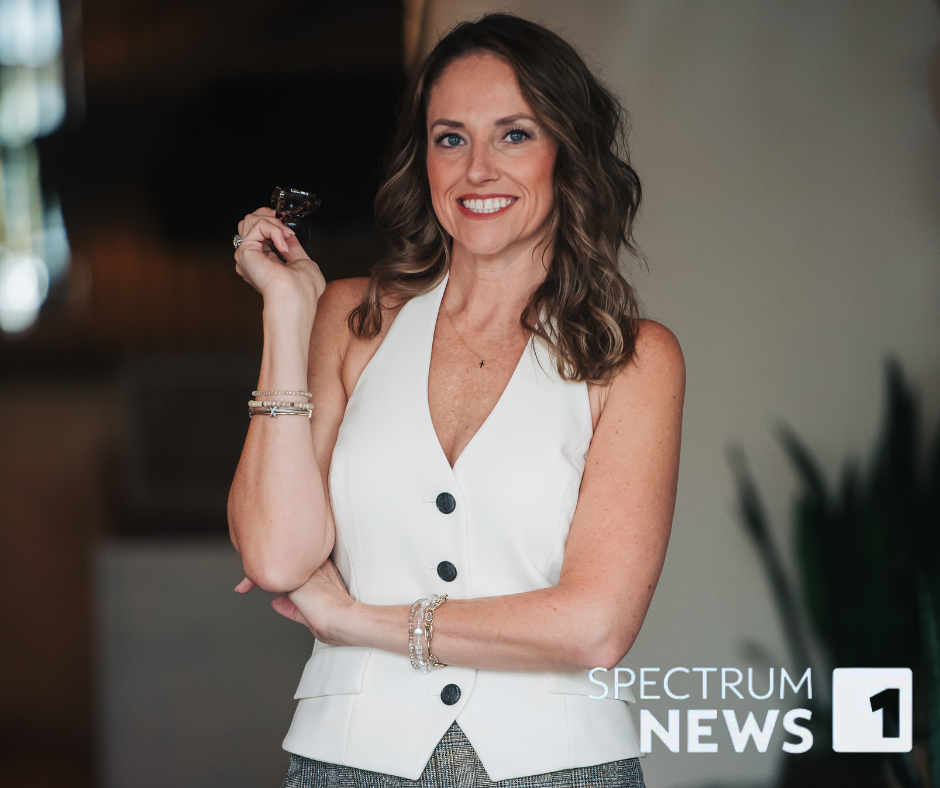
How Communication Strengthens Relationships: Amanda Hood Featured on Spectrum News

As we approach the end of the year, many people naturally begin reflecting on their relationships — what’s working, what isn’t, and what they want to do differently moving forward. In a recent Spectrum News feature, How to Use Communication to Strengthen Your Relationships, Amanda Hood, founder of The Crush Confidential, shared expert insight on why communication is the foundation of meaningful connection — and where so many people go wrong.

After eight years of working closely with singles and couples, Amanda has seen firsthand how communication can either build intimacy or quietly dismantle it.


Why So Many People Feel Disconnected

One of the most powerful takeaways from the Spectrum News segment is a simple truth: people are craving real connection.

As relationship expert and author Ravi Rajani explained in the feature, many individuals today are starved of human connection. Despite constant access to technology, genuine communication has become harder — not easier.

Amanda sees this daily in her matchmaking work.

“Relationships are like a dance,” she shared. “And especially in a duet, it takes a lot of nonverbal communication to stay coordinated.”

The challenge? Many singles are trying to dance without ever learning their partner’s rhythm.


The Hidden Communication Breakdown Behind Ghosting

One of the biggest issues Amanda highlighted in the interview is ghosting — when someone you’ve been dating suddenly disappears without explanation.

In her experience, ghosting isn’t always intentional or malicious. More often, it’s the result of severe miscommunication.

Amanda explained that it’s not uncommon for both people in a new connection to believe they’ve been ghosted.

“They’ve gone out, they’ve had a date or two and things seem great,” she said. “Then when I follow up, both parties say they were ghosted.”

Why does this happen?

Because early on, people don’t yet understand each other’s:

Without clarity and guidance, assumptions take over — and connection breaks down.


Why The Crush Confidential Uses a Three-Date Model

Amanda’s approach to matchmaking is intentionally different. At The Crush Confidential, she uses a three-date model designed to help new matches communicate more effectively before making snap judgments.

The goal isn’t pressure — it’s perspective.

Three dates allow people to:

  • Move past first-date nerves

  • Observe communication patterns

  • Understand emotional cues

  • Clarify interest instead of assuming disinterest

This structure alone prevents countless misunderstandings and helps singles make decisions rooted in clarity, not fear.


The Communication Habit to Leave Behind in 2025

One of the strongest messages from the Spectrum News feature was the importance of how we communicate — not just how often.

According to Rajani, one habit to leave behind is dominating the conversation.

Talking at someone, over-explaining, or offering unsolicited advice shuts down connection. True communication requires curiosity.

Amanda agrees.

Strong relationships are built when both people feel seen, heard, and understood — not talked over.


Listening Beyond Words

Effective communication isn’t just verbal. Amanda emphasizes the importance of paying attention to what isn’t being said.

Tone, body language, energy, and emotional responses all tell a story.

When people slow down and truly listen — instead of preparing their next response — connection deepens naturally.

This skill is especially critical in early dating, when misunderstandings are most likely to occur.


Why Texting Can Hurt Relationships

One of Amanda’s most quoted lines from the feature was simple — and bold:

“Texting is where relationships go to die.”

While texting is convenient, it often lacks context, tone, and emotional nuance. Misinterpretation is easy, especially when people don’t yet know each other well.

Whenever possible, Amanda encourages voice or face-to-face communication — especially for meaningful conversations.


Back to the Basics: Strengthening Existing Relationships

For couples already in relationships, Amanda believes the solution isn’t complicated — it’s foundational.

Taking time each day to reconnect matters.

Even asking something as simple as:

“Tell me about your day.”

creates space for emotional intimacy and reassurance.


The Takeaway: Better Communication Creates Better Relationships

Whether single or coupled, Amanda’s message is clear: communication is the currency of connection.

When people invest time in understanding each other’s communication styles, emotional needs, and boundaries, relationships thrive.

As we head into 2026, Amanda hopes more people choose intentional communication — especially singles searching for a partner to build a life with.

“The resolve is better communication,” she shared. “Being able to build that relationship and learn their communication style — that’s what truly matters.”

At The Crush Confidential, communication isn’t just encouraged — it’s coached, guided, and supported every step of the way.

Dating by Generation: How Each Age Group Approaches Love Today

Dating has changed dramatically over the decades, shaped by cultural shifts, technology, and evolving relationship expectations. What hasn’t changed? The desire for connection, partnership, and love.

At The Crush Confidential, we work with singles across generations—and one thing is clear: understanding how each age group approaches dating can help reduce frustration, improve communication, and lead to more aligned relationships.

Let’s break down how dating looks across generations—and what truly matters, no matter your age.


Baby Boomers (Born 1946–1964): Commitment & Clarity

How Boomers Tend to Date:

  • Relationship-forward and intentional

  • Value loyalty, stability, and shared values

  • Prefer phone calls, in-person dates, and direct communication

Boomers often date with the end goal in mind. Many are returning to dating after long-term marriages and are clear about what they want—and what they won’t tolerate.

Common Challenge: Navigating modern dating norms like casual dating or app culture.

Matchmaker Insight: Clarity is a strength. When paired with emotional openness, Boomers often build deeply fulfilling partnerships.

Much of what we see with this generation aligns with widely published relationship psychology research and long-standing insights into emotional bonding and partnership.


Generation X (Born 1965–1980): Independence Meets Intention

How Gen X Tends to Date:

  • Highly selective and self-aware

  • Value independence alongside partnership

  • Low tolerance for games or ambiguity

Gen X daters often balance busy careers, family responsibilities, and a strong sense of self. They’re intentional—but can be cautious.

Common Challenge: Letting their guard down after past relationship experiences.

Matchmaker Insight: When Gen X feels emotionally safe, they commit deeply and intentionally.

This shift toward intentional dating later in life mirrors broader patterns seen in long-term relationship research.


Millennials (Born 1981–1996): Connection vs. Commitment

How Millennials Tend to Date:

  • Grew up alongside dating apps

  • Value emotional connection and chemistry

  • Often stuck in situationships or dating ambiguity

Millennials crave partnership—but are often overwhelmed by choice. Many fear choosing the wrong person, which leads to delayed commitment.

Common Challenge: Moving from uncertainty to clarity.

Matchmaker Insight: Structure, coaching, and intention help Millennials transition from dating endlessly to dating purposefully.

This tension between connection and commitment has been widely examined in modern culture and contemporary relationship conversations.


Generation Z (Born 1997–2012): Emotionally Aware & Boundary-Focused

How Gen Z Tends to Date:

Gen Z brings emotional intelligence into dating earlier than any generation before them. They value safety, communication, and authenticity.

Common Challenge: Delaying commitment in pursuit of self-growth or emotional certainty.

Matchmaker Insight: Gen Z thrives when emotional awareness is paired with real-world dating experience.

Many of these Gen Z dating patterns reflect broader conversations around emotional health, boundaries, and intentional communication.


What Every Generation Gets Right About Love

No matter the age, successful relationships share common foundations:

  • Emotional safety

  • Shared values

  • Clear communication

  • Mutual effort

Attraction sparks interest—but alignment sustains love.


What Every Generation Struggles With

Across the board, singles face similar challenges:

  • Fear of vulnerability

  • Overthinking compatibility

  • Letting technology replace real connection

Dating problems aren’t generational—they’re human.


A Matchmaker’s Take: Love Isn’t Generational—Alignment Is

Dating trends will continue to evolve, but the fundamentals of lasting love remain the same. When dating is guided by clarity, values, and intention, age becomes far less important than alignment.

At The Crush Confidential, we help singles across generations cut through confusion and date with purpose through our personalized, white-glove matchmaking experience.

If you’re ready for deeper connection—and fewer mismatches—learn more at https://thecrushconfidential.com or reach out if you know someone who could be a great match.

Questions to Ask on Dates: Meaningful Conversations That Build Real Connection

couple walking having meaningful conversation

At The Crush Confidential, we believe great dates aren’t about impressing — they’re about connecting.

The right questions can transform small talk into meaningful conversation, helping you understand compatibility, values, and emotional availability without it feeling like an interview. Whether you’re on a first date or a fifth, asking thoughtful questions creates space for authenticity and chemistry.

Below is our matchmaker-approved guide to questions that deepen connection, reveal alignment, and keep dates engaging — designed by a professional matchmaker who works closely with relationship-minded singles.


First-Date Questions: Light, Natural & Easy

Keyword focus: questions to ask on a first date, first date conversation starters

These questions are perfect for breaking the ice while keeping things relaxed and enjoyable.

  • What does a perfect weekend look like for you?

  • How do you usually spend your free time?

  • What’s something you’re really passionate about right now?

  • Do you prefer planning ahead or being spontaneous?

  • What’s the best trip you’ve ever taken?

Matchmaker tip: Listen more than you speak. Connection happens when someone feels genuinely heard.


Questions That Reveal Values & Lifestyle

Keyword focus: dating questions that reveal values, compatibility questions for dating

As conversations flow, these questions help uncover what truly matters to someone — without being heavy.

  • What does a fulfilling life look like to you?

  • What qualities do you value most in the people you’re close to?

  • How do you typically handle stress or challenges?

  • What’s something you’re currently working on personally or professionally?

  • What role do family and friendships play in your life?

Why this matters: Shared values are often more important than shared hobbies.


Dating & Relationship-Oriented Questions

Keyword focus: relationship questions to ask while dating, intentional dating questions

When timing feels right, these questions create clarity around intentions and emotional readiness.

  • What have past relationships taught you?

  • How do you like to show and receive care or affection?

  • What does a healthy relationship look like to you?

  • What are you hoping to build with the right partner?

  • How do you typically handle conflict in relationships?

Pro tip: These questions should feel like a natural progression — not a checklist.


Questions That Spark Chemistry & Playfulness

Keyword focus: fun dating questions, questions to build chemistry on dates

Connection isn’t just about depth — it’s also about joy.

  • What’s something on your bucket list?

  • If you could live anywhere for a year, where would it be?

  • What’s a small thing that instantly makes your day better?

  • What’s your go-to comfort activity?

  • What’s something people are often surprised to learn about you?

Playfulness creates emotional safety and attraction — don’t skip it.


Questions to Ask After a Few Dates

Keyword focus: questions to ask after a few dates, long-term compatibility questions

As interest grows, these questions help determine long-term compatibility.

  • Where do you see your life in the next few years?

  • How do you balance independence and partnership?

  • What does commitment mean to you?

  • How do you like to grow together in a relationship?

  • What makes you feel most supported by a partner?

These conversations aren’t about pressure — they’re about alignment.


What Matters More Than the Questions

The best dates aren’t defined by what you ask — but how you show up.

Be curious, present, and open. Ask questions not to evaluate, but to understand. When conversation flows naturally and both people feel safe being themselves, connection follows.

At The Crush Confidential, we coach our clients not just on who to date — but how to date with clarity, confidence, and intention through our luxury matchmaking services.

If you’re ready for more meaningful connections and guidance throughout your dating journey, we’d love to support you.

Interested in working with a professional matchmaker?

If you’re tired of surface-level dating and ready for a more intentional approach, explore our personalized matchmaking experience.

Learn more about our personalized, white-glove matchmaking experience at TheCrushConfidential.com — or reach out if you know someone amazing who could be a great match.

The 5 Stages of Relationships — And What Each One Really Means

A couple walking hand-in-hand, symbolizing the stages of relationships from early connection to enduring love.

Every relationship tells a story—one that unfolds in stages. At The Crush Confidential, we see these stages every day as couples move from the first spark to lasting love. Understanding the stages of relationships

can help you recognize where you are, what you need, and how to grow together.

1. Initiation / Exploration

This is where curiosity and chemistry collide. You’re learning about one another—values, humor, lifestyle, and interests. It’s that exciting (and sometimes uncertain) stage where you’re asking, “Could this be something real?”

At this point, your focus is on connection and compatibility. As a matchmaking company, we encourage singles to approach this stage with openness—ditch the rigid checklist and focus on feeling seen and understood.

For more on what this early phase looks like, check out The 4 Stages of Dating Relationships

2. The Honeymoon / Euphoria Stage

Ah, the butterflies. The 3 phases of love are often most apparent here, when attraction feels magnetic and your brain floods with dopamine and oxytocin. Everything feels effortless and magical.

But it’s important to remember that the honeymoon stage is a chapter, not the whole story. It’s beautiful—but temporary. When the intensity fades, deeper connection begins.

3. Deeper Attachment / Commitment

This is where the real work (and beauty) of love begins. You’re building a shared life—habits, routines, maybe even future plans. The focus shifts from excitement to commitment and shared responsibility.

At The Crush Confidential, our lifestyle alignment assessments help couples navigate this stage by identifying shared values and communication styles early on.

It’s also normal to notice differences here—how you express love, handle conflict, or plan for the future. That’s why our three-date approach encourages clients to explore connection beyond first impressions.

4. Crisis / Repair

Every relationship hits challenges. Misunderstandings, stress, or unmet expectations can test your foundation. But as relationship therapist Esther Perel notes, this stage is not a sign of failure—it’s an invitation to evolve.

Healthy communication, empathy, and adaptability allow couples to work through conflict and come out stronger. Studies on love and relationship satisfaction as a function of romantic relationship stages show that navigating this phase effectively can predict long-term success.

5. Enduring / Wholehearted Love

This is the goal for most couples—the 7 stages of relationships

culminate in an enduring, balanced partnership built on trust and emotional intimacy.

In this stage, love feels secure. The excitement may look different, but the connection is deeper, richer, and more intentional.

At The Crush Confidential, we believe in helping singles find relationships that are not just passionate—but sustainable. Because love that endures isn’t about perfection; it’s about choosing each other, again and again.


Every couple’s journey through the stages of relationships looks a little different. What matters most is not the speed, but the awareness. Recognizing where you are helps you adapt, grow, and love more deeply.

If you’re ready to experience a connection built to last, start your journey with The Crush Confidential today.


What Your Attachment Style Says About Your Love Life

Couple holding hands over coffee, representing secure attachment and emotional connection.

When it comes to love, how you connect can be just as important as who you connect with. Understanding your attachment style can help you recognize patterns, improve communication, and ultimately build stronger, more fulfilling relationships.

At The Crush Confidential, we see this play out every day — from first introductions to long-term matches. Whether you’re anxiously checking your phone after a first date or tend to keep your guard up for too long, your attachment style can reveal valuable insights into your dating habits and emotional needs.


The Four Main Attachment Styles

Researchers in psychology have identified four key attachment styles that influence how we relate to others romantically.

1. Secure Attachment
If you have a secure attachment style, you likely feel comfortable with closeness and independence. You communicate openly, trust easily, and handle conflict with maturity. People with this style tend to thrive in long-term relationships because they aren’t afraid of emotional intimacy.

Tip: Keep leading with authenticity — and if you’re single, know that your confidence and emotional availability are deeply attractive qualities.

2. Anxious Attachment
Anxiously attached individuals crave closeness but often worry about being abandoned or rejected. You might overthink messages or feel uneasy when your partner pulls away.

At The Crush Confidential, we often encourage clients with this attachment style to slow down and focus on genuine compatibility rather than immediate reassurance. Real security comes from within.

3. Avoidant Attachment
If you tend to keep emotional distance or struggle to open up, you might fall into the avoidant category. Independence feels safe — but sometimes at the expense of deeper connection.

Avoidant individuals can benefit from intentional dating strategies that focus on gradual vulnerability and honest communication.

4. Anxious-Avoidant (or Fearful-Avoidant) Attachment
This combination can make dating feel like an emotional tug-of-war. You want love but fear it at the same time, leading to push-and-pull dynamics. Recognizing this pattern is the first step toward healing it — and toward healthier, more stable relationships.


How Attachment Styles Affect Dating

Your attachment style can shape everything — how you text, handle conflict, or even interpret a partner’s silence.
For example, in our recent Toronto Sun feature, Amanda Hood, founder of The Crush Confidential, explained how communication styles aren’t one-size-fits-all. Understanding emotional tendencies helps daters create space for honest dialogue and less misunderstanding.

If you recognize anxious or avoidant tendencies, working with a matchmaker can help you date differently — with more clarity, confidence, and emotional awareness.


Building Healthier Relationships

At The Crush Confidential, we guide clients to date with intention through our Three-Date Model — helping them explore connection beyond surface attraction and initial nerves. This approach gives time for trust and understanding to grow naturally, regardless of attachment style.

Want to see what your dating patterns might be telling you? Create your complimentary profile today, and let’s find someone who meets you where you are — and grows with you.


The 3-Date Model: Why Chemistry Takes Time to Reveal Itself

Two people smiling over coffee on a third date, symbolizing The Crush Confidential’s 3-Date Model approach.

In the world of modern dating—where everything moves at lightning speed—it’s easy to write someone off after one mediocre first date. But at The Crush Confidential, we’ve learned that real chemistry often takes time to unfold. That’s why we developed our signature 3-Date Model—a simple but powerful approach that gives connection the chance to grow naturally.

The Myth of Instant Chemistry

Many singles believe they’ll just know right away. Movies, social media, and dating apps have conditioned us to expect instant butterflies or “spark” moments. But according to psychology research on attraction, that immediate rush is often based on novelty or appearance—not true compatibility.

Amanda Hood, founder of The Crush Confidential, has seen this pattern countless times. “People often confuse physical chemistry with emotional compatibility,” she says. “Some of the strongest couples we’ve matched didn’t have fireworks on the first date—it took time for connection to deepen once they felt comfortable.”

Why Three Dates Matter

The first date is often filled with nerves, guarded conversation, and a desire to impress. By the second date, the pressure eases—you can be yourself, share stories, and get curious. By the third, you start to see how you feel around that person when it’s not a performance.

Our 3-Date Model encourages daters to give each introduction the space it deserves. You’re not deciding on marriage after three dates—you’re simply deciding if you want to keep exploring.

This philosophy is also backed by relationship science: studies show that emotional safety and trust take multiple interactions to build. Real compatibility isn’t instant—it’s revealed.

When Chemistry Evolves Slowly

Some of the most successful couples we’ve worked with didn’t feel an immediate “click.” What they discovered, however, was comfort, laughter, and mutual respect—qualities that deepen attraction far more than fleeting chemistry.

If you’ve ever said, “They were nice, but I didn’t feel a spark,” consider whether you truly gave connection a chance to grow. Often, what begins as “nice” can evolve into extraordinary once comfort replaces nerves.

How The Crush Confidential Supports Intentional Dating

Unlike dating apps where choices feel endless, The Crush Confidential uses intuition, data, and real human insight to make thoughtful introductions. We guide clients through each stage—helping them reflect after each date and recognize the difference between fleeting attraction and meaningful compatibility.

We don’t just match people—we help them date with clarity.

If you’re ready to slow down, date with purpose, and explore real connection through our proven 3-Date Model, visit thecrushconfidential.com to learn more.


How to Know If You’re Truly Ready to Date Again After Divorce

Dating after divorce – Amanda Hood of The Crush Confidential shares tips on knowing when you’re ready to love again.

Starting over after a divorce can feel overwhelming. Some people feel pressure to jump back in right away, while others wait years before dipping a toe into the dating pool again. The truth is, there’s no universal timeline for when you should begin — but there are signs that can help you know if you’re ready to pursue love again.

At The Crush Confidential, we often work with clients who are navigating this very transition. Whether it’s been months or years since your divorce, the most important thing is clarity — both about what you want and what you’re ready to give.


1. You’ve Processed the Past

If thoughts of your ex dominate your mind or you feel unresolved anger or sadness, it may be too soon. Healing first allows you to enter dating with openness instead of comparison. Seeking support from a trusted therapist or resources like DivorceCare can be an important step toward moving forward.


2. You Know What You’re Looking For

Post-divorce dating offers a chance to redefine what you want. Are you looking for a life partner, companionship, or simply the excitement of meeting new people? Getting clear on your goals helps prevent confusion and wasted time — for both you and your potential partner. For some, that’s where matchmaking services like our 3-date model can help, giving structure and clarity to the process.


3. You’re Comfortable Being Independent

One of the healthiest signs that you’re ready is enjoying your independence. If you feel whole on your own and see dating as an enhancement — not a solution — you’re in the right mindset to attract the right match.


4. You Have Time and Energy to Invest

Dating takes effort. From planning and showing up to staying emotionally present, it’s important to ask yourself: Do I have the bandwidth for this? If the answer is yes, you’re far more likely to find success. For single parents, Amanda recently shared in Now in the Nati that making time and prioritizing your dating journey is essential.


5. You’re Ready to Be Vulnerable Again

Love requires vulnerability. If you feel open to sharing your story, hopes, and dreams with someone new, you’ve likely turned a corner in your healing journey.


Moving Forward With Confidence

Dating after divorce isn’t about forgetting the past — it’s about writing a new chapter. With patience, intentionality, and the right guidance, love can absolutely find you again.

If you’re curious about how The Crush Confidential supports singles navigating this stage of life, explore our client success stories or reach out for a confidential consultation.


The Truth About Drinking Habits in Dating: What You Need to Know

Drinking habits in dating: mismatched alcohol use can affect relationships.

When it comes to matchmaking, one of the most common surprises we see after a first date isn’t about politics, religion, or lifestyle differences. It’s about alcohol consumption.

At The Crush Confidential, we screen, interview, and carefully vet every client before making introductions. One of the questions we ask is simple: Do you drink alcohol? The choices are Never, Socially, or Regularly.

Here’s the catch: almost no one selects “Regularly.” Instead, those who may drink heavily often identify themselves as “social drinkers.” No one ever says, “I’m a functioning alcoholic”—and often, their true drinking patterns aren’t revealed until later.

This can lead to difficult surprises:

  • A client tells us, “She was wonderful, but she drinks way too much.”

  • Or, “He seemed like a great fit, but I was shocked by how much he drank at dinner.”

Sometimes this comes up on the first date, but just as often, it’s discovered on date two, three, or even four. The reality is: dating is a process of discovery. Our role is to curate and guide, but some truths only come to light through shared experiences.


Why This Matters in Relationships

Alcohol itself isn’t the issue—many happy couples enjoy a glass of wine with dinner or a cocktail on a night out. The challenge comes when there is a mismatch: one partner considers themselves a “social drinker” while the other experiences that as “too much.” Truly moderating is not a subjective science. There are real numbers that lead to success.

Healthy relationships thrive on compatibility, trust, and shared lifestyle values. By acknowledging these potential mismatches early on—and offering resources like Dr. Perron—we help our clients navigate the reality of modern dating with clarity and confidence.

At The Crush Confidential, we believe in radical honesty about dating. We can’t promise every match will be perfect, but we do promise to walk with you through the process, provide tools and resources, and always put your best interests first.

And if drinking habits have ever been a concern for you in dating, know that you’re not alone—and know that support is available. Explore Dr. Michele Perron’s work or check out this free resource to see how moderation therapy could change the way you approach both alcohol and relationships.


A Proactive Solution: Partnering with Dr. Michele Perron

Because this issue comes up so often, we are excited to announce our newest trusted vendor partner, Dr. Michele Perron.

Dr. Perron specializes in helping individuals who want to better understand and moderate their alcohol use. Through a unique combination of amino acid therapy, The Sinclair Method guidance, and deep dive coaching, she helps people rebalance their body and mind, so that alcohol no longer plays an outsized role in their social or personal lives—in other words, you manage alcohol instead of alcohol managing you.

Her approach is compassionate, nonjudgmental, and science-driven. She doesn’t just tell people to “drink less”—she helps them build the tools to naturally prefer drinking less without having to quit, which can lead to healthier relationships and more authentic connections.

You can learn more about Dr. Perron and her work here: drmicheleperron.com.

Why Shared Values Outweigh Shared Hobbies in Relationships

Shared values in dating: lifestyle alignment as the foundation of love.

When it comes to dating, it’s easy to be swept away by common interests. Maybe you both love hiking, bingeing the same Netflix series, or trying out new restaurants. While those shared hobbies can spark fun and connection early on, they don’t necessarily guarantee long-term compatibility.

At The Crush Confidential, we see time and time again that the couples who thrive aren’t just bonded by what they do together—they’re united by what they believe in.


Why Values Matter More Than Activities

Hobbies can change. Interests fade. Life circumstances evolve. But values—like integrity, ambition, family priorities, spirituality, or financial mindset—are much more enduring.

A couple who both love hiking may get along on Saturday mornings, but if one values building a family and the other values total independence, tension is inevitable down the road. True compatibility comes from aligning on what matters most at the core.

(Related reading: The Three-Date Rule: Why You Shouldn’t Judge Compatibility Too Quickly).


The Role of Lifestyle Alignment

Amanda Hood, founder of The Crush Confidential, often emphasizes lifestyle alignment as the foundation of a successful relationship. It’s not just about liking the same things—it’s about wanting the same kind of life.

For example:

  • Do you both envision kids in your future?

  • How do you approach finances and career goals?

  • Is faith or spirituality important in your daily life?

  • How do you balance work, family, and personal time?

When these answers are aligned, the relationship feels natural. Shared hobbies become a bonus instead of the glue holding things together.


How to Shift Your Dating Mindset

If you’re single and looking for a partner, here are a few ways to focus on values over activities:

  1. Ask intentional questions early. Instead of “What do you like to do for fun?” try “What’s most important to you right now in life?”

  2. Pay attention to patterns. Notice not just what someone says, but how they live. Do their actions reflect values that match your own?

  3. Don’t overlook differences. It’s okay to have separate hobbies—as long as your deeper goals align.

For more guidance, Amanda recently shared in her Now in the Nati interview that 95% of her clients are single parents—and for them, lifestyle alignment is even more crucial than ever.


The Bottom Line

Shared hobbies might get you a second date. Shared values are what build a lifetime partnership.

Want more insights? Explore our post on Intentional Dating: The Secret to Finding Love Faster or learn why dating with kids requires a mindset shift toward clarity and purpose.