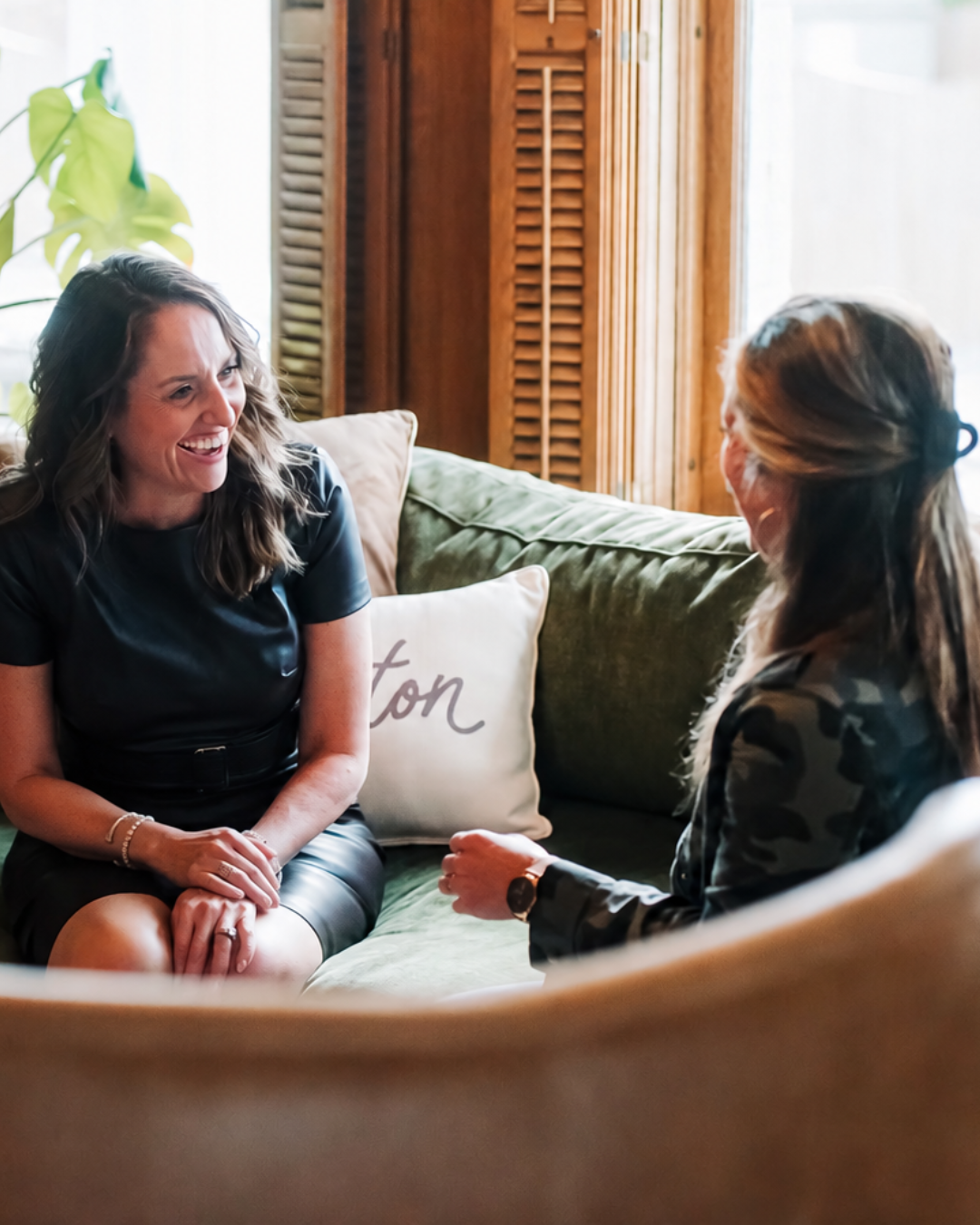

Amanda Hood, Author at The Crush Confidential

Matchmaker vs. Dating Coach vs. Dating App: What’s the Difference?

A matchmaker finds people for you. A dating coach fixes how you show up. A dating app sells you access and leaves the rest to you.

That is the core difference, and choosing wrong is expensive. Below is what each one actually does, what each costs in 2026, and how to tell which one your situation calls for.

Quick Comparison

Dating app. Sells access to a large pool. You do all the searching, screening, messaging, and scheduling. Costs $10 to $60 per month.

Dating coach. Works on you rather than on your options. Covers communication, patterns, confidence, and profile strategy, but provides no introductions. Costs roughly $100 to $500 per hour, or $1,000 to $5,000 for a package.

Matchmaker. Runs a private search on your behalf, screens candidates, and arranges introductions. Costs $5,000 to $25,000 at most reputable firms, with elite national firms starting near $25,000.

Now the details that matter.

What a Dating App Actually Does

Apps solved one problem completely. You will never again lack access to single people.

What they never addressed is everything after access. You screen strangers from photographs, absorb every misrepresentation, and interpret silence without information. Furthermore, nobody tells you why three connections in a row went quiet at the same point.

The financial data reflects that gap. Match Group, which owns Tinder, Hinge, and Match, reported paying users down 6% year over year in the second quarter of 2026, while revenue per payer rose 6%. Fewer people are paying, and the ones who stay pay more.

User sentiment matches the numbers. A Forbes Health survey of 1,000 app users found 78% feel emotionally, mentally, or physically exhausted at least sometimes. Meanwhile, Pew Research found only about one in ten partnered adults met their current partner through a dating site or app.

Apps work best when you have time, patience, and tolerance for volume.

What a Dating Coach Actually Does

A coach changes the variable you control, which is you.

Sessions typically cover communication habits, recurring patterns, confidence, profile positioning, and how you handle early ambiguity. As a result, coaching helps most when your problem is conversion rather than access.

Here is the test. Are you getting first dates that never turn into second dates? That is a coaching problem.

However, understand the limit clearly. A coach gives you no introductions. You still have to find the people yourself, usually on the apps you already dislike.

Coaching also requires honesty about feedback. If you cannot hear that something about your approach is not landing, then the money buys you nothing.

What a Matchmaker Actually Does

A matchmaker runs a search you would otherwise run yourself, and does it with resources you do not have.

The work includes interviewing you about history and values, sourcing candidates, personally vetting each one, arranging introductions, handling logistics, and collecting feedback afterward from both people separately.

That last piece matters more than most people expect. Because feedback flows through the matchmaker rather than between the two daters, nobody has to deliver an uncomfortable verdict face to face, and you get honest information instead of silence.

One distinction separates cheap matchmaking from expensive matchmaking. Some firms search an existing database, while others actively recruit new people for your specific search. Database matching costs little to deliver, since the work happened before you arrived. Recruiting is weeks of labor per client, and that labor is the fee.

Ask any firm which one they do.

An awkward date from a dating app.

The Gap All Three Usually Leave

Here is what almost nobody addresses, regardless of which option you pick.

Apps stop at the match. Coaches stop at the advice. Most matchmakers stop at the introduction.

Yet the first few weeks of a new connection are its most fragile stage. Nerves distort a first date, both people perform, and a single misread message ends connections that had genuine potential.

Our proprietary 3-Date Method exists to close that gap. First dates measure nerves, while second and third dates measure compatibility. Because we stay involved through that window rather than stepping back after the introduction, a real connection gets enough room to prove itself.

We call the broader approach relationship curation, and TIME recently covered it.

Cost Comparison at a Glance

Dating app: $10 to $60 per month. You supply all the labor.

Dating coach: $100 to $500 per hour, or $1,000 to $5,000 per package. No introductions included.

Mid-tier matchmaker: $5,000 to $25,000. Regional search, real screening.

Elite matchmaker: $25,000 and up. National search, active recruiting, small client rosters, coaching included. Our packages start here.

Membership access: Our Elevated Circle costs $897, or $597 once for lifetime access. Members gain visibility and priority consideration inside our network rather than a done-for-you search.

For a fuller breakdown, see our guide to how much a matchmaker costs and our honest look at whether a matchmaker is worth it.

Frequently Asked Questions

What is the difference between a matchmaker and a dating coach? A matchmaker finds and screens potential partners for you and arranges introductions. A dating coach works on your own skills, patterns, and presentation but provides no introductions. Matchmaking changes your options, while coaching changes your approach.

Is a matchmaker better than a dating app? It depends on your constraint. Apps deliver volume cheaply but require all the labor from you. Matchmaking delivers screening and support at a much higher price. For people short on time and serious about commitment, matchmaking usually produces better results per hour invested.

Do I need a dating coach or a matchmaker? If you get first dates that never progress, you likely need coaching. If you struggle to find quality people worth meeting at all, you likely need a matchmaker. Many people need both, which is why some matchmaking packages include coaching.

How much does a dating coach cost compared to a matchmaker? Dating coaches typically charge $100 to $500 per hour, or $1,000 to $5,000 for a package. Matchmakers typically charge $5,000 to $25,000, with elite firms starting near $25,000.

Can a dating coach find me a partner? No. Coaches improve how you date, but they do not source or introduce candidates. You still find people yourself.

Do matchmakers use dating apps to find matches? Some do. Reputable firms recruit through personal networks, events, referrals, and proactive outreach as well. Ask any firm directly where its candidates come from and whether it recruits specifically for your search or draws from an existing database.

Where to Start

We work with commitment-minded singles nationwide who want structure rather than more swiping.

Apply for matchmaking: Two Ways to Work With Us

Want visibility without a package? Join The Elevated Circle.

Not ready to invest? Add your profile to the Singles Rolodex at no cost.

See the outcomes: Our Success

Is a Matchmaker Worth It? An Honest Look at the Math

Is a matchmaker worth it? For some people, yes. For others, no.

That is the honest answer, and it depends on four things: how much your time is worth, how ready you actually are, whether you can take feedback, and what you are comparing the cost to. Below is the math, along with a straight description of who should not hire one.

A happy couple matched by a matchmaker.

The Short Answer

A matchmaker is worth it when you are genuinely ready for commitment, your time carries real financial value, you have already tried apps without success, and you are willing to adjust your approach based on feedback.

A matchmaker is not worth it when you want a guarantee, expect to stay passive, are unwilling to change anything, or are not actually ready for a relationship yet.

Price is rarely the deciding factor. Readiness is.

The Cost Comparison Everyone Gets Wrong

Most people compare a matchmaking fee to a dating app subscription. A premium app runs $10 to $60 per month, while professional matchmaking typically costs between $5,000 and $25,000, with elite firms starting near $25,000.

Set side by side, the app wins easily. However, that comparison measures the wrong thing.

Apps sell access. You still do the searching, screening, messaging, and scheduling yourself. Meanwhile, matchmaking sells labor. Someone else does that work, and someone else absorbs the failed conversations.

So the real comparison is not fee versus fee. Instead, it is total cost per outcome, and time belongs in that calculation.

Running the Time Math

Suppose you spend four hours a week on dating apps. That covers swiping, messaging, scheduling, and the dates that go nowhere.

Over three years, that adds up to roughly 624 hours.

Now attach a number to your time. If an hour of your work is worth $100, then three years of app dating already cost you $62,400 in time alone. At $200 per hour, the figure doubles.

Neither total includes the emotional cost, and that cost is well documented. A Forbes Health survey of 1,000 app users found that 78% feel emotionally, mentally, or physically exhausted by the apps at least sometimes. Pew Research found that roughly 88% of men and 90% of women who used apps in the past year often or sometimes felt disappointed by the people they met.

Against those numbers, a five-figure fee starts to look like a different kind of decision.

Who Matchmaking Actually Works For

Be honest with yourself about these.

You are genuinely ready. Not curious, not lonely, not recovering from something six weeks old. Ready.

Your time carries real value. Executives, founders, physicians, and attorneys tend to see the return fastest, because their hours are expensive and their schedules are full.

You have already tried the alternatives. Apps did not work, your friends have run out of people to introduce you to, and your own network is tapped.

You can take feedback. This one matters more than any other. Matchmaking gives you honest information about how you come across, and that information only helps if you are willing to hear it.

You are open to slight surprises. Rigid checklists shrink the pool to nothing. The best matches often sit two degrees off your stated type.

Who Should Not Hire a Matchmaker

This section will cost us some clients, and it belongs here anyway.

You want a guarantee. No ethical firm promises a relationship. Anyone who does is selling you something other than matchmaking.

You plan to stay passive. Paying a fee does not outsource showing up. You still attend the dates, do the coaching, and communicate honestly.

You refuse to adjust anything. If your approach has not worked for a decade and you intend to keep it identical, then a matchmaker changes only who sits across the table.

You are not over your last relationship. Timing beats strategy. Come back later.

The fee would strain you financially. Five figures should be uncomfortable, not destabilizing. If it would be, then a coaching membership or a free profile submission serves you better right now.

A couple on a curated date.

What About Success Rates?

You will see impressive figures on matchmaking websites. Some firms claim 80% success rates against roughly 12% for apps.

Treat those numbers carefully. They are self-reported marketing claims with no published methodology, no independent auditing, and no shared definition of what counts as success. We do not use them, and neither should you when evaluating any firm.

Here is what can be verified instead. Pew found that only about one in ten partnered adults met their current partner through a dating site or app. Match Group, which owns Tinder, Hinge, and Match, reported paying users down 6% year over year in the second quarter of 2026, while revenue per payer rose 6%. Fewer people are paying, and those who stay pay more.

Ask any firm you evaluate how they define success and how they track it. Vague answers tell you something.

The Part Most Firms Skip

Cost conversations usually stop at introductions. That framing hides the real gap.

Nearly every matchmaking service, at every price point, hands you an introduction and steps back. Yet the first few weeks of a connection are its most fragile stage, and that is exactly when clients get left alone.

Our proprietary 3-Date Method addresses that directly. First dates measure nerves, while second and third dates measure compatibility. Because we stay involved through that window and collect feedback from both people separately, connections that would normally die of one misread text get a real chance instead.

When you evaluate whether a matchmaker is worth the fee, ask what happens after the introduction. That answer changes the value considerably.

Frequently Asked Questions

How much does a matchmaker cost? Professional matchmaking in 2026 ranges from about $1,000 for basic database services to more than $500,000 for ultra-exclusive international searches. Most reputable firms charge between $5,000 and $25,000, while elite national firms start near $25,000. Our matchmaking packages start at $25,000.

Do matchmakers guarantee you will find someone? No ethical matchmaker guarantees a relationship. Firms guarantee a process, a number of introductions, or a contract term. Treat any promise of an outcome as a warning sign.

Is a matchmaker better than a dating app? It depends on your goal. Apps deliver volume and low cost. Matchmaking delivers screening, vetting, and personal support at a much higher price. For people short on time and serious about commitment, matchmaking usually produces better results per hour invested.

How long does matchmaking take? Most contracts run three to twelve months. Timelines vary based on how specific your criteria are and how wide the search area is.

Can I afford a matchmaker on an average income? Often not, and that is fine. Coaching memberships and free profile submissions exist for exactly this reason. Our Elevated Circle membership costs $897, or $597 once for lifetime access.

What happens if I do not like the matches? Reputable firms collect feedback after every introduction and adjust the search. We gather that feedback from both people separately, so nobody has to deliver an uncomfortable verdict face to face.

Where to Start

We work with commitment-minded singles nationwide who want structure rather than more swiping.

Apply for matchmaking: Two Ways to Work With Us

Want visibility without a package? Join The Elevated Circle.

Not ready to invest? Add your profile to the Singles Rolodex at no cost.

See the outcomes: Our Success


How Much Does a Matchmaker Cost in 2026?

How much does a matchmaker cost? Most firms refuse to answer that question on their website, which is exactly why you are reading this page.

We will answer it directly. Below you will find the real 2026 pricing tiers, the factors that move the number, and an honest look at which tier fits your situation.

A couple set up by a matchmaker.

The Short Answer

Professional matchmaking in 2026 spans an enormous range. Entry-level database services start around $1,000, while ultra-exclusive international searches can exceed $500,000.

Most people, however, land somewhere in the middle. Industry analyses consistently place the typical range between $5,000 and $25,000, and roughly two-thirds of firms price themselves in that mid-tier band.

The Four Pricing Tiers

Budget tier: $1,000 to $5,000

At this level, matches come from an existing internal database. Searches stay local, introductions often function as blind dates, and personal attention stays minimal.

Firms in this tier accept large client volumes, which keeps the fee low. Consequently, you are buying access to a list rather than a search.

Mid-tier regional: $5,000 to $25,000

Screening improves here, and searches may extend regionally rather than staying strictly local. Some proactive scouting happens outside the database.

Most reputable services live in this band. If you want vetted introductions and a structured process without entering elite pricing, then this tier usually delivers it.

Elite and executive: $25,000 to $150,000

Firms at this level actively recruit new candidates for you rather than pulling from a database. Searches run nationally, client rosters stay deliberately small, and services like coaching and styling come bundled in.

Ultra-exclusive: $150,000 to $500,000 and up

This tier serves high-net-worth clients who need international reach, extensive background verification, and complete discretion. Very few people require it.

What Actually Drives the Price

One factor matters more than reputation, city, or brand name.

Does the matchmaker actively recruit new people for your search, or simply search an existing database?

Database matching costs little to deliver, because the work happened before you arrived. Active recruiting means someone spends weeks sourcing, screening, and approaching people who were never in the system at all. That labor is the fee.

Other variables move the number too:

  • Search scope. Local costs less than regional, and regional costs less than national.

  • Roster size. Firms that cap their client count charge more per client, since each search gets real attention.

  • Included services. Coaching, image consulting, and background verification all add cost.

  • Contract length. Most agreements run three to twelve months.

  • Geography. Mid-tier services in New York and San Francisco average $18,000 to $35,000, while secondary markets like Chicago and Dallas run $9,000 to $22,000.

What The Crush Confidential Charges

We publish our numbers, so here they are.

Matchmaking starts at $25,000. That places us at the entry point of the elite tier described above, and the reason sits in how we work rather than in where we are located.

The Elevated Circle costs $597 once for lifetime access. That is a membership inside our network rather than a search run on your behalf.

Those two options do very different jobs, so compare them carefully.

Matchmaking is a done-for-you partner search. We do the work. You receive hand-selected, fully vetted introductions, coaching in every package, and an in-person onboarding dinner with Amanda at the VIP level. Choose this if you are ready now and want the search handled.

The Elevated Circle is a lifetime membership. We open doors while you stay ready. Members gain visibility and priority consideration rather than guaranteed introductions, and the membership includes a private matchmaker interview instead of coaching. Choose this if you want to be seen while your timing sorts itself out.

How Our Matchmaking Packages Work

We are not a dating service. This is not an app with a person attached. Matchmaking is a private search we run on your behalf.

It starts with a conversation about you. We talk through your history, your values, and what has gone wrong before. Then we dig into what you actually want, not just what you say you want.

After that, the search begins. Our team personally interviews and vets every candidate before you ever hear a name.

Once we find someone promising, we arrange the introduction and handle the logistics. Afterward, we follow up with both of you separately. Feedback comes to us, not to each other. That means nobody sits through an awkward conversation just to get an honest answer.

Every package includes coaching, because the search only works when you show up as your best self. Each one also follows our 3-Date Model. In short, that approach gives a real connection enough room to prove itself.

Our matchmaking clients also receive coaching from day one, plus support through the first three dates rather than just the introduction. More on why that matters below.

Two Ways to Work With Us

Why Matchmaking Costs More Than an App

A dating app subscription runs $10 to $60 per month. Set against a five-figure matchmaking fee, that comparison looks absurd until you examine what each one actually does.

Apps sell you access. You still do the searching, the screening, the messaging, and the scheduling. Furthermore, you absorb every failed conversation and every person who misrepresented themselves.

Matchmaking sells you someone else’s labor. A professional screens for identity, intent, and readiness before you spend an evening with anyone.

Run the math on your own time. If your hours are worth $100, then twenty wasted evenings already cost you thousands, and that figure ignores the emotional cost entirely.

The Question Behind the Question

People asking about price are usually asking something else: will this actually work?

That deserves a straight answer. Matchmaking works better than apps for a specific type of person, and it works poorly for others.

It tends to work when you are genuinely ready for commitment, short on time, willing to take feedback, and open to people slightly outside your usual type.

It tends to fail when you want a guarantee, refuse to adjust anything about your approach, or expect the matchmaker to do all the work while you stay passive.

No ethical firm guarantees a relationship. Anyone promising one is selling you something else.

What Most Firms Leave Out

Here is the gap that pricing conversations rarely address.

Nearly every matchmaking service, at every tier, stops at the introduction. Two people meet, and the firm steps back. However, the earliest weeks of a new connection are also the most fragile, and that is precisely when most clients get left alone.

Our proprietary 3-Date Model exists to close that gap. First dates measure nerves, while second and third dates measure compatibility. Because we stay involved through that window, connections that would normally die of a misread text get a real chance instead.

We call the broader approach relationship curation, and TIME recently covered it.

Is a Matchmaker Worth It?

That depends on what you are comparing it to.

Against a $30 monthly app subscription, matchmaking looks expensive. Against three more years of swiping, four hours a week, and no relationship at the end, the math shifts considerably.

Only you can price your own time. Nevertheless, most of our clients tell us the same thing: they wish they had stopped waiting sooner.

Where to Start

We work with commitment-minded singles nationwide who are ready to date with structure and support.

Apply for matchmaking: Two Ways to Work With Us

Not ready for a package? Add your profile to the Singles Rolodex at no cost. That is how we source matches for our clients.

Want coaching first? Explore The Elevated Circle.

See the outcomes: Our Success

What to Text After a First Date: 12 Messages That Work

Knowing what to text after a first date sounds simple until you are staring at an empty message box at 11pm. You had a good time. Probably. Now one message stands between a promising night and total silence.

Below are 12 messages that work, along with the timing rules and the common mistakes that quietly kill momentum.

A man texting back after a good date.

When Should You Text After a First Date?

Send something the same night or the next morning. That is the whole rule.

Waiting three days is outdated advice from an era before read receipts. Today, a delay reads as disinterest rather than mystery. Meanwhile, texting from the car before your date reaches their front door comes across as anxious.

Aim for the window between arriving home and going to bed. If the date ended late, then the next morning works just as well.

12 Messages That Actually Get Replies

Each of these does one of three jobs. Some confirm interest, some restart the conversation, and some ask for the second date directly.

1. The simple confirmation

Had a really good time tonight. Glad we finally did this.

Short, warm, and impossible to misread. Use it when you want to signal interest without committing to a plan yet.

2. The specific callback

Still thinking about your story about the trip to Portugal. Great night.

Specificity proves you were paying attention. Consequently, this lands far harder than a generic compliment.

3. The direct ask

I had a great time. Are you free Thursday? I’d like to see you again.

Clear intent, clear question, clear timeline. Many people avoid this because it feels risky, but it is the single most effective message on this list.

4. The shared-joke restart

Still not over the waiter. Hope you got home okay.

Inside jokes create continuity. Because you are referencing something only the two of you experienced, the conversation resumes instead of restarting.

5. The safe arrival check

Just checking you made it home. Tonight was fun.

Thoughtful without being heavy. Especially appreciated by women, who are far more likely to have safety on their minds during a first meeting.

6. The compliment with substance

You’re even funnier in person than over text. Looking forward to next time.

Compliment the person rather than the appearance. Comments about looks after one date usually land wrong.

7. The plan-based follow-up

That place you mentioned with the rooftop — want to try it Saturday?

You are using their own suggestion, which makes saying yes easy. Additionally, it shows you listened.

8. The morning-after opener

Morning. Genuinely enjoyed last night. How did the presentation go?

Works well when the date ended late. Referencing something happening in their life today gives them an easy entry point.

9. The honest and low-pressure

I’d like to see you again, no pressure either way. Let me know.

Gives the other person room to decline gracefully. As a result, you are far more likely to get an honest answer rather than a slow fade.

10. The playful challenge

You still owe me a rematch. When are you free?

Best when something competitive happened, whether that was trivia, pool, or an argument about the best pizza in town.

11. The gratitude message

Thanks for making that easy. First dates are usually awkward and that one wasn’t.

Naming the awkwardness disarms it. People remember feeling comfortable.

12. The clean close

I enjoyed meeting you, but I don’t think we’re a romantic match. Wishing you the best.

Not every date should get a second one. Nevertheless, sending this takes thirty seconds and spares someone a week of wondering. More on that below.

Awkward date

Three Mistakes That Kill Momentum

Over-explaining. A four-paragraph message after one meeting creates pressure. Keep it to two sentences.

Asking how they felt about the date. This puts the other person in charge of defining things, which almost always stalls the conversation. State your own interest instead.

Sending nothing and waiting. Both people frequently do this, each waiting for a signal. Then a week passes and a viable connection dies of nothing.

What About Ghosting?

Roughly half of all daters have been ghosted, and most people who ghost describe it as easier than an uncomfortable conversation.

Here is the reframe. Ghosting is not usually a character flaw. Instead, it is a skill gap, because digital communication made disappearing effortless and nobody ever taught the alternative.

That is why message 12 exists. One honest sentence closes a connection cleanly and takes less energy than avoiding someone for two weeks.

Why the First Date Is a Bad Place to Decide

Here is the part most texting advice skips.

First dates measure nerves, not compatibility. Both people are performing, both are managing anxiety, and neither is showing much of who they actually are. Therefore judging the whole connection on ninety minutes of first-date behavior throws away a lot of good matches.

That thinking drives our proprietary 3-Date Model. Second and third dates are where real communication starts, so the goal of your post-date text is not a verdict. It is simply getting to date two.

Unless the answer is clearly no, send message 3 or message 7 and find out.

Where to Start

We work with commitment-minded singles nationwide who are ready to stop guessing and start dating with structure.

Add your profile at no cost: Singles Rolodex

Explore working with us: Two Ways to Work With Us

See what happens when it works: Our Success

Are Matchmakers Making a Comeback? The 2026 Data

Are matchmakers making a comeback? The short answer is yes, and the numbers behind it are more specific than most people expect.

Two things are happening at once. Dating apps are losing paying users, while professional matchmaking keeps growing. Below is what the 2026 data actually says, along with what it means if you are still swiping.

Woman unhappy scrolling on a dating app.

The Apps Are Losing Paying Customers

Match Group owns Tinder, Hinge, Match, OkCupid, and Plenty of Fish. As a result, its earnings reports work as a rough proxy for the whole category.

In the second quarter of 2026, Match Group reported revenue of $853 million, which fell 1% year over year. More telling, total paying users dropped 6% to 13.3 million. Tinder alone lost 5% of its payers, landing at 8.5 million.

Meanwhile, revenue per payer climbed 6% to $21.13. In plain terms, the apps are charging more money to fewer people.

That pattern matters. Tinder’s monthly active users have now declined for more than three years, and management does not expect payers to return to growth until late 2027. Furthermore, Tinder’s registrations grew just 1% in March, the first increase since 2024.

Hinge remains the exception, with revenue up 22% and monthly active users up 13%. Still, one growing brand does not offset a shrinking base across the rest of the portfolio.

Burnout Is Nearly Universal

The financial numbers reflect something users have been saying for years.

A Forbes Health survey of 1,000 American dating app users found that 78% feel emotionally, mentally, or physically exhausted by the apps at least sometimes. Notably, women reported higher burnout than men, at 80% compared with 74%.

Pew Research adds a sharper detail. Among people who used dating apps within the past year, roughly 88% of men and 90% of women said they often or sometimes felt disappointed by the people they encountered.

Nearly everyone on these platforms feels let down by them. Because of that, the exhaustion is not a personal problem. It is the default experience.

A happy couple that met through matchmaking.

Meanwhile, Matchmaking Keeps Growing

Now compare that to the other side of the industry.

The U.S. matchmaking service market was valued at roughly $3.0 billion in 2025 and is projected to reach $5.2 billion by 2033, at a compound annual growth rate near 7.4%. Across North America, the market sits at approximately $4.5 billion and is forecast to hit $7.8 billion over the same period.

Industry analysts also report growth near 9.5% specifically in premium matchmaking services, the segment serving high-net-worth and high-achieving clients.

So one model is shrinking its user base while raising prices. The other is expanding.

Why the Shift Is Happening

The apps solved the meeting problem. Consequently, that problem no longer needs solving.

What they never addressed is everything after the introduction. Nobody interprets the mixed signal you got on Tuesday. No one tells you why three connections in a row went quiet at the same point. Above all, no one gives you honest feedback, because the person who lost interest simply stops replying.

Volume was the entire value proposition. However, volume turned out to be the problem rather than the solution.

Pew found that only about one in ten partnered adults met their current partner through a dating site or app. Billions of swipes have produced a fairly modest hit rate.

What Matchmaking Adds

A professional matchmaker changes three variables that apps leave untouched.

Screening happens before you invest time. Someone verifies identity, intent, and readiness in advance. Therefore you spend your evenings on qualified people instead of on discovery.

Feedback replaces guessing. After each date, you learn what actually happened rather than inventing an explanation for silence.

Support continues past the introduction. This is the piece most of the industry still misses. Traditional matchmaking makes a connection and steps back, which leaves both people alone during the most fragile stage of a new relationship.

That last point is why we built our proprietary 3-Date Model. First dates measure nerves, while second and third dates measure compatibility. When someone guides clients through that window, premature endings drop sharply.

We call the broader approach relationship curation, and TIME recently covered it.

What This Means for You

The data does not say dating apps are useless. Millions of people still meet on them every year.

Instead, the data says something more precise. If you are over forty, serious about a long-term relationship, and short on time, then the app model is working against your specific goals. You are optimizing for volume in a situation that rewards depth.

The comeback is real because the alternative stopped working for a large group of people. Matchmaking is not nostalgia. Rather, it is a different structure for a different objective.

Where to Start

We work with commitment-minded singles nationwide who are finished with apps and ready to date with structure and support.

Apply for matchmaking: Two Ways to Work With Us

Not ready to become a client? Add your profile to the Singles Rolodex at no cost. That is how we source matches for our clients.

See the outcomes: Our Success

Why Successful People Are the Worst at Dating

Successful people dating in their forties, fifties, and sixties share one specific frustration. They built companies, raised children, and now lead teams, close deals, and manage risk for a living. Yet across the table at dinner, they feel completely out of their depth.

In fact, the traits that built your career often work against you romantically.

Here is why.

Successful man stressed about dating.

1. You Are Used to Being Good at Things Immediately

High achievers rarely stay bad at something for long. Because you learn fast, course-correct, and move on, incompetence never lasts.

Dating, however, rewards none of that. No certification exists, no clear metric applies, and no one hands you a scorecard. Furthermore, studying harder never removes the discomfort of not knowing whether someone likes you.

So most high performers quietly disengage and blame their calendar.

2. You Optimized Everything Else, and Dating Punishes Optimization

Efficiency built your career. Over the years, you cut what did not produce, delegated what did not require you, and defended your calendar aggressively.

Naturally, the same instinct shows up on a first date. You screen hard, decide fast, and cut anyone who fails to show obvious upside within ninety minutes.

The trouble is that early dating produces almost no reliable data. Nerves and expectation distort a first date, because both people perform. As a result, an efficient decision usually becomes the wrong decision.

Of course, efficiency serves you well in business. Here, though, it works against you.

3. Nobody Gives You Honest Feedback Anymore

Successful people operate inside a distortion field. Employees soften bad news, while friends stay supportive. Meanwhile, a date who loses interest says nothing at all and simply stops responding.

Consequently, the feedback loop breaks. One habit may end your connections again and again, and no one has ever named it.

To be clear, this reflects no character flaw. Rather, it exposes a structural blind spot, and blind spots never correct themselves. Someone has to say it out loud.

A successful couple.

4. You Delegate Everything Except This

Most high achievers keep an accountant and an attorney on call. In addition, many hire a trainer, an assistant, a financial advisor, and a contractor.

Yet one area stays entirely in your own hands, and it happens to carry the highest impact on your quality of life.

Why? Because dating feels like it should come naturally, hiring help feels like failure. In reality, the same logic applies here that you already trust everywhere else. That is, bring in a professional wherever the stakes run high and your own perspective runs short.

5. Your Competence Reads as Distance

Decisiveness, containment, and command of a room signal authority in a boardroom. On a second date, however, that same energy reads as unavailable.

Warmth demands a kind of exposure most executives spent decades learning to avoid.

This pattern ranks among the most common we see, and also among the most fixable. Personality rarely causes the problem. Instead, the problem comes down to which mode you run in and whether you can switch.

What Actually Works

None of this means you are bad at relationships. Instead, it means a high-performance operating system is running a situation with different rules.

Three adjustments fix most of it.

Give the connection more than one meeting. First dates measure nerves, while second and third dates measure compatibility. That is the entire premise of our proprietary 3-Date Model: never judge from the least informative data point.

Get honest input from someone with no stake in flattering you. Real feedback after every date, in other words, rather than encouragement. Most people have gone years without it.

Stop treating dating as a solo project. After all, you would never handle your own legal work. No reason exists to handle this alone either.

Where to Start

We work with commitment-minded singles nationwide who are done with apps and ready to date with structure and support.

Apply for matchmaking: Two Ways to Work With Us

Not ready to become a client? Add your profile to the Singles Rolodex at no cost. That is how we source matches for our clients.

See what this looks like when it works: Our Success

 

Featured in TIME: Why Relationship Curation Is the Future of Dating

The Crush Confidential was recently featured in TIME for our work in relationship curation. The piece examined a question that drives everything we do: why has dating become easier than ever, while relationships have become harder to build?

You can read the full feature here: The Future of Dating: The Case for Relationship Curation

Below is the short version, plus what it means for anyone currently dating.

Access Went Up. Clarity Did Not.

Technology solved the meeting problem. Apps put thousands of people in front of you. Social platforms extended your reach far past your zip code. That part works.

The part that never got solved is what happens after the introduction.

Most accomplished singles are not struggling to get a first date. They are struggling to turn a first date into a relationship. That gap is where the exhaustion comes from, and it is not a personal failing. It is a design flaw in how the entire industry operates.

Why Introductions Alone Are Not Enough

Traditional matchmaking has one output. Two compatible people meet, and the matchmaker steps back.

The assumption is that compatibility will surface on its own. In practice, it often does not. The first few weeks of a new connection are the most fragile stage of the entire relationship, and that is precisely the stage where most clients are left alone.

We built The Crush Confidential around a different conviction. Chemistry needs structure. That is what relationship curation provides.

What Relationship Curation Actually Means

Relationship curation means a relationship professional stays involved through the early development of the connection, not just the introduction.

In practice, that includes:

  • Interpreting communication patterns before they get misread

  • Managing expectations on both sides

  • Coaching clients through uncertainty instead of letting them guess

  • Providing real-time feedback between dates

The goal is not to force an outcome. The goal is to remove the avoidable friction that ends viable connections before they have a chance to become real.

The 3-Date Model

Our proprietary 3-Date Model is the framework behind this.

First dates are shaped by nerves and expectation. They tell you very little about how two people will actually relate to each other. By the second and third date, communication loosens, and the real signal appears.

Most modern dating culture pushes people to decide after one meeting. The 3-Date Model pushes back on that. When clients are guided through this phase rather than left to navigate it alone, premature endings drop significantly.

Ghosting Is a Skill Gap, Not a Character Flaw

Ghosting gets treated as a personality problem. We treat it as a structural one.

Digital communication made disappearing easier than having one uncomfortable conversation. Nobody was ever taught how to close a connection cleanly, so they default to silence.

Our clients learn how to handle early ambiguity directly. They also learn how to respond when it happens to them.

Better Matches, Better Daters

Every engagement at The Crush Confidential is tailored. There is no template.

Coaching is woven in from day one, because the objective is not only to introduce you to compatible people. It is to make you a stronger partner. Clients leave with sharper self-awareness and with dating patterns broken that had been quietly costing them for years.

The Future of Dating

Algorithms will keep improving. AI will keep optimizing profiles and predicting behavior.

None of that touches the part that actually determines whether a relationship survives: communication, timing, and the willingness to stay present through uncertainty. Those remain human. They also remain teachable.

That is the work.

If You Are Ready for Something Real

We work with commitment-minded singles nationwide who are done with apps and ready to date with structure.

Explore how we work: Work With Us

Not ready to become a client? Add your profile to our Singles Rolodex at no cost. It is how we source matches for our paying clients.

See the results: Our Success

Quiz Dating Is Trending. Here’s Why a Personality Test Still Isn’t a Matchmaker

There’s a new phrase showing up in dating searches: quiz dating. Search interest in the term has climbed 200% over the past year. Singles are trading the endless swipe for a question-based approach to finding a match.

On the surface, this looks like progress. Instead of judging someone off five photos and a bio, you answer questions about your values, your lifestyle, and what you actually want. That sounds like exactly what matchmaking has been arguing for all along.

It isn’t the same thing. And the difference matters if you’re serious about meeting someone, not just filling out another form.

A guy on his phone.

What quiz dating actually is

Quiz dating isn’t one app. It’s a shift in approach. Apps built around this model ask dozens of questions before showing you a single match. Then they use those answers to calculate compatibility instead of relying on a swipe.

The idea isn’t new. eharmony has run a 32-dimension personality test since 2000. What’s new is the demand. More singles are actively searching for this model by name, which means they’re rejecting the swipe-first apps on purpose, not by accident.

What it gets right

The appeal is real. Nearly 78% of dating app users report burnout from the current swipe model. A quiz-first approach at least signals that depth matters more than volume.

It also shifts the burden. Instead of scanning hundreds of profiles, you answer a set of questions once. The app does the sorting. For anyone exhausted by scrolling, that trade feels like relief.

So the instinct behind quiz dating is correct. Singles are right to want more than a photo and a bio. They’re just handing the job to the wrong system

Where the model breaks down

A quiz can only tell you what someone says about themselves. It can’t tell you whether that’s true.

It can’t confirm the photos are current. It can’t confirm the person is actually available, or that they’re done dating around, or that the job title in their profile is real. It reads answers. It doesn’t read people.

That gap matters more than it sounds. Two people can score as highly compatible on paper and still be at completely different life stages, with completely different intentions. A quiz has no way to catch that. A person would.

A happy couple.

The part no algorithm can automate

Every serious matchmaker does what a compatibility quiz claims to do, then adds two things no algorithm can: verification and judgment.

Verification means confirming someone is who they say they are before an introduction happens. Not trusting a self-reported answer, checking it. Judgment means a person who has actually met both people deciding whether they belong in a room together, not a score deciding for them.

That’s the real gap in quiz dating. It replaces one filter, endless swiping, with a better filter, a longer form. It’s still a filter. You still have to do the vetting yourself, one match and one first date at a time.

The cost of skipping that step

Scale is the whole business model behind most dating platforms. Tinder alone processes roughly 1.6 billion swipes a day. That volume is the product, not a side effect.

Quiz-based apps are a reaction to that volume, but they still run on the same core assumption: more data, more matches, more chances. The chances are just labeled better this time. That’s a real improvement over blind swiping. It still isn’t the same as having someone who has met your match in person and decided they’re worth your time.

What The Crush Confidential does differently

The Crush Confidential works from the other direction. Every single in our network is vetted by a person before they’re ever introduced. Not scored by a quiz and handed to you to verify.

If quiz dating sounds appealing because you’re tired of guessing whether someone is real, that instinct is correct. The fix isn’t a longer questionnaire. It’s a matchmaker who does the verifying for you, before you ever spend an evening finding out the hard way.

Apply to join The Crush Confidential’s Rolodex and skip the quiz entirely. Get introduced to vetted singles a real person has already assessed, not matched by a form.

LinkedIn Dating Is Real — And It’s Not the Answer

If you thought LinkedIn was only for updating your resume, showing off your latest promotion, or liking “I’m excited to share” posts, it may be time to think again. A growing number of professionals have found a surprising use for the network built for job hunting: hunting for a partner.

A new survey found that one in eight US workers has dated someone they met on LinkedIn. That is not a fringe behavior anymore. That is roughly 12% of the working population treating a professional platform as a dating pool, and enough of them are doing it that researchers are giving it a name: LinkedIn dating.

It is not an official feature. There is no swipe button, no match algorithm, no “interested” toggle. It is just people using direct messages for something the platform was never built for. And the reason is not mysterious. It comes down to trust.

A man looking frustrated at computer.

Why LinkedIn feels safer than a dating app

Dating apps run on unverified information. A photo could be five years old. A job title could be invented. An entire profile could be fake. Every swipe carries a small amount of risk that the person on the other end is not who they say they are.

LinkedIn solves that problem by accident. A profile there is tied to a real employer, a real education history, and often real recommendations from coworkers and managers. Nobody built LinkedIn to screen romantic partners, but a verified career history does the job anyway. For singles who are exhausted by swiping fatigue and low response rates, that built-in credibility is enough to make LinkedIn dating feel like an upgrade.

Where it falls apart

Verified employment is not the same as verified compatibility. A confirmed job title tells you almost nothing about someone’s values, their intentions, or whether they are actually available. It only tells you they are less likely to be a bot.

There is also a real cost to getting it wrong. Dating apps are anonymous by design. LinkedIn is not. A message that reads as flirtation instead of networking can damage a professional reputation, strain a work relationship, or follow someone for years in an industry where everyone knows everyone. The upside of LinkedIn dating is credibility. The downside is that a bad read on someone’s intentions is no longer contained to a dating app you can delete. It is attached to your career.

The real problem the trend is pointing to

The rise of LinkedIn dating is not really about LinkedIn. It is a symptom. It is professionals telling the dating app industry, without saying it directly, that they no longer trust volume-based, unverified matching to produce anything real. They are willing to trade the entire feature set of a dating app, the filters, the algorithm, the endless supply of profiles, for one thing dating apps rarely deliver: someone who is actually who they claim to be.

That is the gap The Crush Confidential was built to close. Every single in our network is vetted before they are introduced to anyone, not accidentally verified because they happen to have a LinkedIn page. Credibility should not be a side effect. It should be the standard.

A happy couple

Apply to join The Crush Confidential’s Rolodex and get in front of a curated pool of vetted singles, no swiping, no guessing, no professional risk required.

Are Dating Apps Dead? What Singles Are Doing Instead.

If you’ve felt the swipe fatigue setting in, you’re not imagining it. The numbers back you up. Match Group, the parent company behind Tinder, Hinge, and a dozen other apps, just posted Tinder’s first-ever annual revenue decline. Bumble’s paying subscribers dropped 16% year over year. Match rates for men on Tinder have fallen to a brutal 0.6%. So the question singles keep asking — are dating apps dead — isn’t just a hot take. It’s backed by the data.

They’re not gone. But the era where an app was your default answer to “how do I meet someone” is closing fast. Here’s what’s actually happening, and where singles are putting their time and money instead

The Numbers Behind the Question “Are Dating Apps Dead?”

A few data points explain why so many singles are asking are dating apps dead and answering with their thumbs:

Tinder’s revenue declined for the first time in company history in 2025, even as the company raised prices.

Bumble’s paying users fell 16% year over year, and Match Group as a whole lost 5% of its paying base.

Men match on roughly 0.6% of swipes. Women fare better at around 10%, but neither number reflects an app that’s working as advertised.

About 78% of users report burnout, according to a Forbes Health survey, and average session length is shrinking even as people open the apps more often out of habit than hope.

Only around 12% of online daters end up in a committed relationship or marriage from a dating app match, per Pew Research.

Professional matchmaking, by contrast, reports success rates between 60% and 80%.

That last gap is the one that matters most. Apps are a numbers game with bad odds. Matchmaking is a curation game with good ones.

A person looking at phone bored.

Why the Apps Are Losing Singles

It’s not one scandal or one bad update. It’s structural, and singles have caught on.

The incentives are backwards. A dating app makes money when you keep swiping, not when you find someone and delete the app. Every successful match is a lost subscriber.

The math doesn’t work for most users. With men matching at 0.6%, the average single is investing hours for a result that rarely produces a real date, let alone a relationship.

The time cost is enormous. Dating app users spend close to an hour a day on these platforms — roughly 300+ hours a year — for a conversion rate that wouldn’t survive in almost any other industry.

Safety and trust issues are mounting. Pew Research found that 48% of online daters have experienced unwanted behavior on a platform, and romance scam losses topped $1.1 billion in a single year.

It trains bad habits. Swiping rewards split-second judgment on a photo. It doesn’t build the conversational or social skills that actually carry a relationship past date one.

What Singles Are Doing Instead

Curated introductions through real people. Whether that’s a friend’s setup or a professional matchmaker, vetting by a human who knows both people removes the guesswork an algorithm can’t replicate.

Professional matchmaking services. This is the direct alternative to the algorithm, and it’s the one with the dramatically better success rate — 60 to 80 percent, compared to roughly 12 percent for apps.

In-person communities and events. Classes, clubs, and interest-based meetups let people self-select into a shared context before any romantic pressure enters the picture.

Trusted networks and membership communities. Singles are looking for ways to expand who they know and who knows them, without it being a transactional swipe.

Treating apps as a supplement, not a strategy. Some singles aren’t deleting apps entirely, but they’re no longer treating them as the plan. They’re one small input alongside real-world effort.

A happy couple.

The Smarter Way to Date in 2026

Singles aren’t asking whether dating apps are dead because they’ve given up on dating. They’re asking because they’re looking for what comes next.

If you’re tired of swiping with nothing to show for it, it might be time to try a different approach. Join our Singles Rolodex — a free, no-cost profile that puts you in front of our matchmakers as we curate dates for our paying clients. No swiping, no algorithm, just a real chance to be considered for a meaningful introduction.